Seasons of Change

Here’s a fact:

Around the age of ten, I decided that teaching would never be a part of my career path. The noise and confusion of a classroom, the frequent disrespect students showed to adults and to each other, the incomprehensible math lessons…Even teaching art, my favourite subject, had no appeal. This feeling did not change through the years of high school and university.

Here’s another fact:

I’ve worked as an educator for the past six years.

A brief explanation

Moving back to my parents’ home after graduating had not been my original plan, but various health and personal issues prevented me from staying in the city where I’d attended university. Like the majority of 20-something Canadians, I had student loans that needed repaying. I wanted to be a writer, but I had nothing ready to publish; editing sounded wonderful, but required more study, which I was too burned out to pursue. There were service and cashier positions available locally, but nothing accessible to someone with my disabilities.

I resented the feeling of being trapped in place while the interest accumulated on my student debt, so when I found a job posting for an outdoor education position, I applied.

And I got the job! It paid more than minimum wage, it was nearby, and my coworkers were happy to accommodate my needs.

Six years on, I still enjoy it. I also have a new job, where I (ironically) teach art a few hours each week.

However…

Two part-time jobs, fun as they are, don’t close the gap between my dreams and the reality I find myself in. I don’t have any dental or medical insurance (beyond the bare basics included in OHIP). I wouldn’t be able to afford rent anywhere near where I work even if I could get full-time hours. And I have to consider how more work could affect my health: would there be more physical demands? Sensory overload? Limited break time?

I’m hardly the only person facing a situation like this. The use of food banks in Canada has increased 90% in just 5 years, and affordable homes are scarce.

I have the privilege of being able to live with my family, and I am – slowly – saving up for a home. How long I’ll have to wait isn’t clear, but while I wait, I can chose how to fill my time. I can build my skills and revisit old ideas.

After a summer of frustrating research, I dropped my pursuit of ESL and other teaching jobs. I’ve decided to return to one of my earlier career plans: editing. Of all the so-called ‘unstable’ jobs my humanities degree prepared me for, this seems like the best fit. I’m currently halfway through a class offered through the Chartered Institute of Editing and Proofreading, with the aim of finishing their 3-part copyediting course in the coming months. You, dear readers, will be the first to know when I’ve received my certification.

I have a number of other ideas for this new part of my career, including how I might create more content to promote my services as an editor.

It’ll be strange to return to public social media after years of keeping things private, but the content I have in mind is too much fun not to share. Look out for my next post to learn exactly what I have in mind.
Yes, You CAN Write Neurodivergent Characters

A companion to the post Should All Writers Have Neurodivergent Characters?, in which I discussed the mountains of research, storyline alterations, and ethical qualms writers may face when they consider writing fiction with neurodivergent characters.

While these are valid concerns, I know that many writers still want to create NCs (neurodivergent characters). Maybe they’re neuro-spicy themselves, and want to explore their personal and community experiences through fiction. Maybe they want to challenge themselves to write something new. Or maybe they worry that their characters are all too alike, and they want to diversify their offerings to keep readers interested. Publication is a business, after all…

Let’s reconsider the hurdles I described in Should All Writers Have Neurodivergent Characters? and explore how you can write the best NCs possible.

If the research doesn’t scare you…

Great!

And if it does seem like too much, that’s OK! Remember you don’t have to do all of it at once. You also aren’t obliged to make your NC a main character.

You have tons of different perspectives to explore. I strongly suggest focusing on resources created by people who have the condition you’re learning about. Medical resources can be helpful for data and clinical descriptions, but they aren’t likely to tell you how it feels to be neurodivergent every day of the year.

If you’re neurodivergent, you can of course include your knowledge as a resource. The same goes for what neurodivergent people you know have told you, though you’ll need their permission before you incorporate their experiences into fiction.

Diverse viewpoints are key here – both in regards to the condition itself and other things that shape people’s identities, from gender to culture to where they work. After you’ve done some initial research, consider which voices were hard to find, or totally absent, and then focus your next search on those perspectives. The variety of opinions and experiences can seem overwhelming, but remember, you’re doing this research to gain a fuller, fairer understanding of neurodivergence, which can in turn enrich your writing.

If you’re not sure how to fit a neurodivergent character into your story…

While the glib answer would be “do it any way you like,” I actually prefer a research-based approach (yep, more research!). I’ve narrowed it down to three subjects, which can be approached simultaneously or in any order. The amount of focus each subject needs is for you to decide.

  1. Compare your research to characters you’ve already written or planned. You might find that someone in the story already shows traits associated with anxiety, trauma, learning differences, or another condition.
  2. Decide exactly what kind of neurodivergence(s) your character has. You don’t have to name them in your writing, but knowing what they are and what they mean will make things easier for you.
  3. Consider how your story has to change. This will be determined firstly by the type of neurodivergence your character has and secondly by how large a role they play. If your NC is only in a few scenes, for example, the adjustments will probably be minor. If you’ve decided to make a protagonist or point-of-view character neurodivergent, you’ll be making bigger changes to character relationships and plot events.

If you’re wondering how to make sure your character doesn’t offend anyone…

To be honest, I’ve struggled with this issue since I first decided to include NCs in my writing. I know I can’t please everyone (and I don’t try to), but I don’t want neurodivergent readers to find any of the misunderstandings and stereotypes in my writing that we see in so many other portrayals.

So I reference and cross-reference. I deconstruct my old assumptions. Everything I (re)learn goes into the plans for my novel-in-progress.

But that’s ridiculous. Of course I can’t fit everything I know about neurodivergence into a single narrative. No writer can.

Instead, I consider what I’d most want to see as a reader: NCs with agency, complexity, and a value beyond whatever help they give other people (the number of times an NC exists just to dispense information or to teach neurotypical characters the value of love and acceptance…don’t get me started).

While I can’t guarantee that my work is free of all possible offense, I can improve my writing with the help of other neurodivergent readers and editors.

We don’t often talk about the benefits of collaborating with others during the writing process, but since I think the portrayal of artists as solitary, self-sustained geniuses is romantic claptrap, I’d like to change it by asking you to join in the discussion.

What sort of research do you do when creating your characters? Have you written NCs before, and if so, how did people respond to them? What kind of NCs would you like to see more of in the future?
Let me know in the comments!

Should All Writers Have Neurodivergent Characters?

I’d argue that since life is full of neurodivergent people, fiction ought to be as well.

We seem to be in a transitional time in the literary world: in the last 10-15 years, an increasing number of neurodivergent and disabled authors have written characters with the same conditions or differences that they have. Alongside this boom in fiction, we have countless YouTubers, podcasters, bloggers, and more who describe their own experiences of being neurodivergent. With so many people providing free information, surely writers have the resources and motivation they need to create NCs (neurodivergent characters).

Don’t they?

To test my hypothesis, I do a bit of research, and come across the article Common Portrayals of Persons with Disabilities (from Media Smarts). It reminded me how neurodivergence is usually depicted: badly.

I have to remind myself that my passions (a.k.a. special interests) often revolve around things that aren’t well known by the rest of the world. I’ve read most of Disability in KidLit’s reviews; many other people learn about neurodivergence through TV shows, which milk stereotypes for our amusement. (I’m not bragging about this, just trying to explain that my niche interests give me very different points of reference).

I also understand that neurodivergence can seem too overwhelming to write about in depth, especially from viewpoints that aren’t your own. In addition, learning about the abuse and neglect many neurodivergent people experience can be upsetting. If you find that learning about these things has a negative impact on your mental health, you have a right to step away.

In the end, it’s up to you whether you want to include neurodivergent characters in your fiction or not. While I can’t give you a definitive answer, I can describe the pros and cons as I see them. I hope that you’ll find some new perspectives here, and maybe share your own to the comments.

Reasons You Might Avoid Neurodivergent Characters
Close-up of multicoloured notebooks arranged like steps.
The research: Where do you start, and who can you trust?

When I began learning about my own neurodivergence 15 years ago, the resources I found were not the same as the ones I have access to now. Several of the things I read about then have since been expanded on, contradicted by new research, or criticized for omitting the views of neurodivergent people. Who knows what will change in another 15 years?

Furthermore, opinions differ widely about what sort of treatments work best and what should (or shouldn’t) be expected of neurodivergent people. It’s difficult to know whom to trust when two equally prestigious experts disagree – or, as I’ve often seen, when neurodivergent people and medical-based businesses ( pharmaceutical companies, types of therapy) give contradictory evidence. Between this and the fact that some people style themselves as experts to make money, it’s no wonder that many writers are overwhelmed.

You can’t fit a neurodivergent character into the story you already have

I was lucky – my interest in neurodivergence developed alongside my novel-in-progress. Between drafts, many elements of the story were in flux, and making one of the protagonists neurodivergent was an easy decision (probably because he already resembled me).

But for other writers, altering a character’s neurotype would mean altering their motivation, behaviour, and relationships – and therefore the plot. I know how frustrating it is to have to make significant changes to a story that you’ve worked on for years, and I don’t believe it would be fair to make someone do a major rewrite for the sake of representation alone. If you’re interested in writing NCs, then by all means do some research and write some drafts. Just don’t feel obliged to overhaul a pre-existing project unless it actually feels natural to you and to the story.

You’re worried the character might offend people

Let’s say you’ve taken loads of notes, created a neurodivergent character, and you now want to write a story including them. How do you ensure that their strengths and challenges are believable? What aspects of the story might be seen as condoning abusive behaviours, either from a neurodivergent or neurotypical character? How much and what kind of material is appropriate for your intended audience?

As I wrote earlier in this post, I cannot give you foolproof answers. I’m of the opinion that we can and should write about the abuses neurodivergent people face; other people believe that including these things is milking them for profit. I dislike stories in which the only NCs are non-human; other writers seem to delight in exploring neurodivergence through aliens or mythological creatures instead of humans.

You might decide that if there’s no way to write NCs “properly,” then you should save your energy for topics you’re more familiar with. Or you might just wait until you feel more comfortable with the details of neurodivergence, learning at your own pace and following your own interests. These both seem like fair choices to me.

But there’s another side to this argument. Stay tuned for “Should All Writers Have Neurodivergent Characters? Part 2,” which will argue that all writers can, maybe even should, include NCs in their work.

Still Functioning

If it isn’t obvious by now, regular blogging is not my thing. I won’t apologise for it – I have a number of valid reasons – and I won’t list my excuses, since that will probably just bore you. So, dear reader, what should I write about?

Maybe you’d like me to share some of my experiences as a neurodivergent and disabled writer, along with some of my tips and tricks. Or you’d like an update on my novel-in-progress. Perhaps you looked at my profile description and wondered what happened to the book reviews I said I’d do. Or are you just wondering what I’ve been up to since I posted last summer?

Let’s tackle these topics one by one.

What I’ve been up to

The number one focus of recent months has concerned my future: how to improve various aspects of my health; how to balance my needs with making money; whether I can live abroad without ruining that balance. My plans and hopes feel quite fragile, despite months of therapy and research, and I’m hesitant to decide where I’ll go and what I’ll do.

But hang on, you say – what’s this about living abroad?

Perhaps I need to prove to myself that I can still do it despite my disabilities. Mostly I think I’m just tired of being here for so long: the same home we’ve had since I was a toddler, the same city with its overpriced services and limited career opportunities. So, after a wonderful holiday in Spain and Germany last April, I decided to make my move – literally.

If I have to stay in a tiny home on a tiny budget in order to live independently, why shouldn’t I do so in another country?

What I’m doing now

I’m writing!

Not a lot, and not often, but I’ve found that if I just schedule 20 minutes per day, a few days a week, I can actually make some progress. It’s how I wrote this blog post, and chapter 15 of my NIP (yes, the one I started eight months ago…)

I don’t set word counts or other expectations, since they’ve only led to disappointment before. In a few more weeks, I should be able to tell if this system works for me.

I’m also trying new ways of turning exercise and movement meditation (qi gong, walking, or yoga) into regular habits. There’s no chance of my becoming a gym girl, but if I can run more than 5 minutes at a time by the end of the year, I’ll be content.

And, as I mentioned above, I’ve got a number of things to research before I move to Europe. To save money, I’m considering joining a house-sitting/pet-sitting organization, since their memberships are often cheaper than renting. If you’ve tried this before, readers, please let me know in the comments!

What I’ll do next

More researching, writing, and self-care. That should keep me busy, along with my two jobs.

About the writing…as much as I love it, I need to find the middle ground between enjoying myself and producing things that bring in money or readers. I won’t finish this post with a promise to blog more frequently, because at this point in time it isn’t sustainable. While you can look forward to more content here in the next few months, my focus will be on writing for publication.

And when – NOT if – my work is published, I’ll be sure to give you all the good news.

Am I Ready to Continue Writing My Novel?

Roughly a year ago, I wrote a couple of posts about why I decided to stop writing the novel I’d been working on for over a decade: Leaving the Novel in Progress (Part 1) and Leaving the Novel in Progress (Part 2).

I needed to focus on my mental and physical health, neither of which were great at the time. I also needed to re-evaluate my reasons for writing the NIP, and for wanting to be a writer in general.

Being physically disabled and neurodivergent means that much of the advice writers usually give each other doesn’t work for me. I can’t have a daily writing schedule because of episodic pain. Sensory overload from crowded, noisy places like malls leave me too tired to focus. Then there’s my financial situation: I’m secure because I’m supported by my family, but in order to move out, I’d need to work more. Working more means less free time and potentially more physical pain, depending on the job.

Yes, I could take more painkillers, but they aren’t always effective. Yes, I could type using dictation software, but it’s actually hard to write and listen to your own voice at the same time. Plus, having to correct the mistakes the software makes means I end up typing a bit anyway. And why does the it turn itself off just because I haven’t said anything in the last 20 seconds? I’m inventing a fictional world, Windows – I need time to think!

Last year, I took time to think. And I came to a few conclusions.

1. There can be no self-acceptance without self-understanding. If I hadn’t learned what autistic burnout is, for instance, I would still feel a lot of self-disgust at every meltdown or shutdown.

2. Once I understand something, I can work with it instead of against it. I can plan breaks, explain my needs to others, and rely on my passions (special interests) to cheer me up when I need a boost.

3. Rest isn’t a reward, it’s a responsibility. And everyone, disabled or not, deserves rest.

4. Health and healing aren’t linear – the energy and motivation to create won’t always be there.

I don’t expect writing to suddenly become easy. Even if I could make my internalised ableism and the systemic barriers of our societies disappear, I’d still have to pace myself to avoid flare-ups of pain. But eventually, I’ll get better at the balancing act, and one day the NIP will be an FN (finished novel).

I have a number of disabled creators and advocates to thank for helping me on my journey. Check out the links I’ve included below for some of their amazing work.

Watch Chronic Pain/Illness: When to push and when to rest [CC] – Annie Elainey
Listen to Meltdowns and shutdowns – 1800 Seconds on Autism
Watch Are You Better Yet…? [CC] – Jessica Kellgren-Fozard

So, what am I doing now?

At present I’m just trying to endure the weather in a house with no air conditioner. We have a hot, smoky summer ahead here in southern Ontario. To make myself feel less helpless about this, I indulged in retail therapy. We now have several native plants in our garden.

My main internal debate is whether or not I should get a second job. I can probably manage it, as long as I pace myself. Hopefully I can find a position that doesn’t have high expectations for low pay. Guess I’ll have to re-learn networking…

I’m also slowly getting ready to move out and live abroad for a year or more. It’s an expensive, complicated process, but in this case I do have a network of family and friends who can help.

Otherwise, I create when I can. A stitch here, a scribble there.

In June, I sat down and finished chapter thirteen of my novel.

A week later, I started chapter fourteen.

And I’ll keep going.

What Makes Bad Writing Bad?

Whether it causes confusion, disdain, or disgust, bad writing rouses strong feelings for readers and writers alike. But what exactly makes the writing so terrible?

I remember several classmates ranting about the Twilight books (and their film adaptations) while I was in high school, but it’s hard to say who was complaining about the actual writing and who was angry that something they found so awful could be so popular. Thinking of this now, I’m faced with another question: what do we mean when we say ‘bad writing’? Are we referring to the plot events, the author’s style, grammatical errors, or the representation of certain characters?

A quick online search gives me these answers:

  • “Bad writing is when you constantly struggle with the writing instead of the story.” – cmpalmer52 on Reddit.
  • “In my mind, bad writing is prose that has bolted the stable too early. Every bit of writing created in the world can be improved.” – Paul Flynn on Quora
  • “Utilizing longer words and arcane symbolisms to elucidate one’s cogitations just to facilitate the appearance of erudition is one hallmark of poor communication skill.” – Toby Dillon on Quora

How my opinion compares

“Bad writing is when you constantly struggle with the writing instead of the story.” – cmpalmer52 on Reddit.

Agreed. Writing that is inconsistent, full of errors, or the wrong style for its audience distracts the reader. The more distracted I get, the lower my opinion of the writing.

While I appreciate stories that break stereotypes, I also believe that books that abruptly change genre or tone (e.g. from bucolic to grimdark or vice versa), without any foreshadowing, betray their readers. Similarly to Chris Winkle’s concept of a satisfying throughline for the plot, I prefer stories to have consistent pacing and style, and believable character development.

For more of my feelings towards books that don’t stay true to themselves, read my review of Gideon the Ninth.

“In my mind, bad writing is prose that has bolted the stable too early. Every bit of writing created in the world can be improved.” – Paul Flynn on Quora

Rushing to finish a story never earned me good marks in school. However,
working under a deadline was not the root of the issue. My classmates were
often confused by my stories because I hadn’t considered what reading them
would be like from someone else’s perspective. Creative writing workshops and
helpful friends could spot issues that I never knew were there.

My first drafts never give readers the story I want them to read, so I need
the perspectives of other people and my future editing self to tell me what is
lacking.

Bonus: article from Aliventures on the hallmarks of bad writing.

“Utilizing longer words and arcane symbolisms to elucidate one’s cogitations just to facilitate the appearance of erudition is one hallmark of poor communication skill.” – Toby Dillon on Quora

This is similar to cmpalmer52’s quote above, but it gets bonus points for humour. Irony aside, it’s true that pretentious writing and overuse of the thesaurus doesn’t impress readers.

It’s more likely to frustrate them and make them abandon the book.

You might ask, “But why do I have to write in a way that pleases everyone?” You don’t have to. You probably shouldn’t. Just focus on telling your story over proving your intellect. 

Writing mistakes can happen to any part of any story – the plot, characters, themes, and beyond. This post is just an introduction to some of the things that can irritate readers. I’d love to explore these problems in more detail, so tell me: what would you like to read about next?

  • Unbelievable character motivations
  • My most hated “solutions” to characters’ problems
  • Tropes I’m tired of seeing in YA and children’s fantasy
  • Reviews of popular fantasy books (middle grade, YA, or adult)

Spring/Summer 2022 Favourite Reads

Read my Spring/Summer 2022 Favourite Sounds here.

Alfabet/Alphabet: A Memoir of a First Language by Sadiqa de Meijer

Winner of the 2021 Governor General Literary Award for Non-fiction.

Finding this book about the adjustment from Dutch language and culture to Canadian was somewhat serendipitous, since my father made the same journey a few years before I was born. De Meijer’s story offered me rich images and sounds of the culture I almost knew.

Aside from the personal connection, I loved de Meijer’s blending of the academic and the poetic. Some may find her explanations of Dutch linguistics too dry, but they seem brief enough to me. Alfabet/Alphabet is the kind of book that can be savoured a bit at a time, not necessarily in order, and returned to years later to be enjoyed again.

Follow Sadiqa de Meijer on Twitter.

Listen to de Meijer read from Alfabet/Alphabet in this Kingston book launch recording.

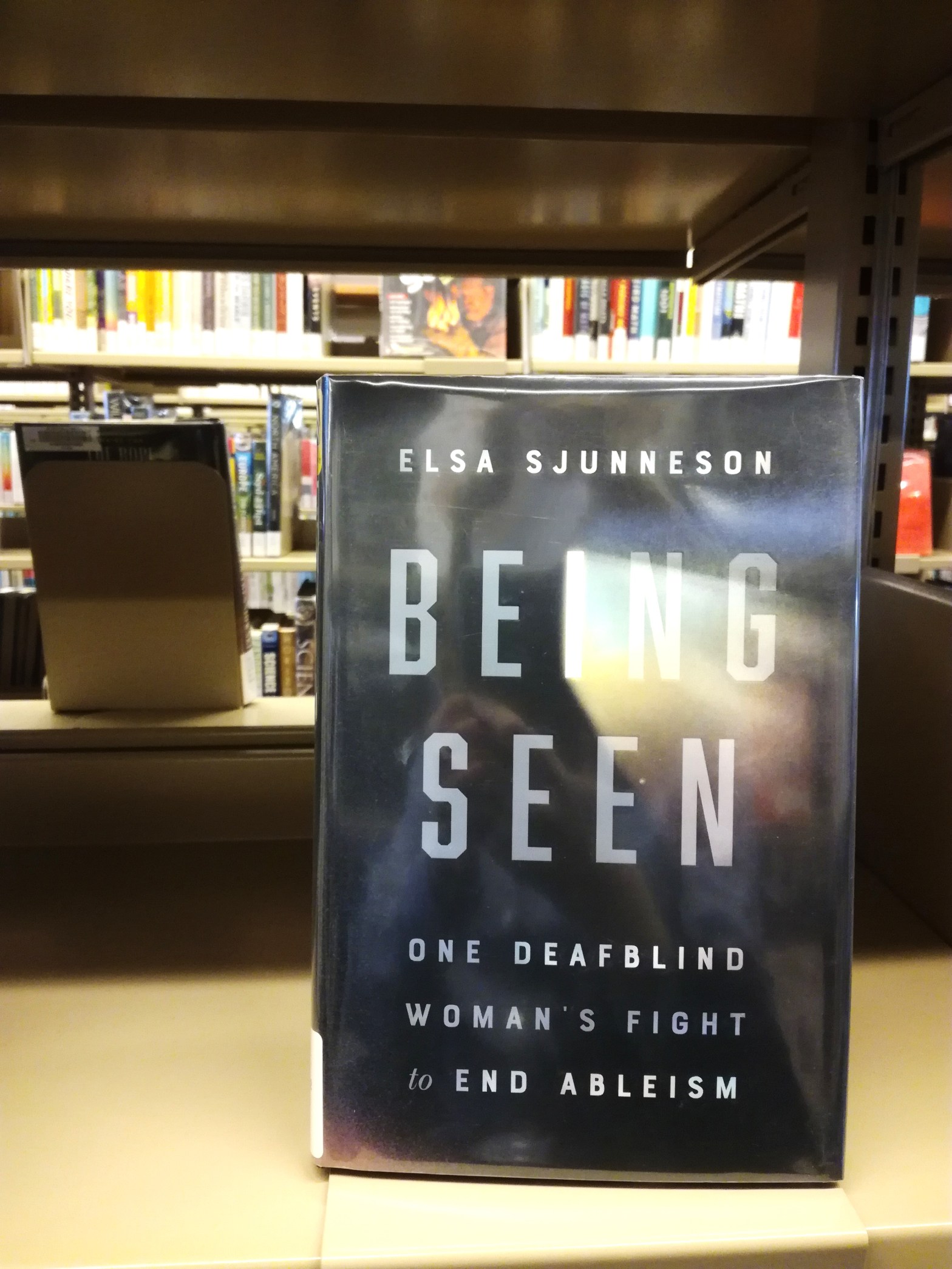
Being Seen: One Deafblind Woman’s Fight to End Ableism by Elsa Sjunneson

Superb. This memoir reveals every aspect of ableism: erasure, reproductive injustice, systemic barriers, limited representation, and more. Sjunneson’s sardonic anecdotes and whip-smart media analyses would be an excellent addition to high school reading lists. If a teen in your life shows an interest in disability justice, slip this into their gift bag next birthday or holiday.

Check out Sjunneson’s website, snarkbat.com.

Read The Disibility Visibility Project’s interview with Elsa Sjunneson about her book.

White Feminism by Koa Beck

Mainstream feminism has ignored and oppressed marginalized communities since the early days of the suffrage movement. With White Feminism, Beck fills the gaps in the history textbook and explores the impact of systemic oppressions from both personal and national standpoints. She also does something I’ve never seen before in a book on socio-political theory: she describes realistic steps that readers can take to improve the system for everyone, not just middle-class white women with corporate careers. Read it, and then act on it.

Visit Koa Beck’s website.

Honourable mention: Sufferance by Thomas King

I actually read this last year, but it’s too good not to add to this list. Unpretentious but profound, Sufferance touches on a number of issues currently at play in Canada (Truth and Reconciliation, unaffordable housing, corporate corruption). The actions of the narrator, who refuses to speak, begins a sequence of changes that draws the whole community into the same current.

Spring/Summer 2022 Favourite Sounds

You know how some people define different stages of their lives by the TV shows or clothes that they loved? For me, it’s music – I could create an autobiography based on the changes to my soundtrack over the years. Fred Penner cheered us through many car rides (my mother never wants to hear “The Cat Came Back” again). Listening to Howard Shore’s soundtrack for The Lord of the Rings was a favourite stim from age ten onward. Loreena Mckennitt will always have a place in my heart: her music inspired my stories and exploration of history, spirituality, and culture.

So it’s odd that I’ve never written about music before. Luckily, while searching for blogging topics, I recalled my new interest in podcasts (yes, I’m admitting I didn’t listen to podcasts before 2022. Don’t judge me) and decided to combine the old and new passions for a spring favourites post.

Spring became summer; my ESL teacher classes ended, and my brain demanded a vacation. Then August was suddenly “last month” instead of “this month”… you get the idea. I have therefore decided to present all of the best music and podcasts I discovered between the beginning and middle of this year, because what really matters, in the end, is that I share them. My favourite reads will also be posted shortly.

Enjoy!

Favourite Podcasts

1800 Seconds on Autism

By and for autistic folks (hooray!) with many funny moments. The hosts explore auti-gender, the intersections of autism and race, and more.

Test Tubes and Cauldrons

The three hosts discuss being scientifically-minded people with spiritual beliefs and practices. I especially enjoy listening to them debunk the false claims made by dubious spiritual movements and crystal shops.

Honourable mention: Roma Unraveled

I haven’t listened to many of their episodes, but given what I’ve learned from them, this podcast is a vital part of the movement for Roma rights and visibility. Highly recommended.

Favourite Songs

“The Lotus Eaters” Emily D’Angelo

From D’Angelo’s sensuous new album energaia. Originally from composer Sarah Kirkland Snider’s song cycle Penelope.

“Salad of Doom” SJ Tucker

Because everyone needs a goofy song about vegetables in their life.

“Tornami a Vagheggiar” Amanda Forsythe & Apollo’s Fire

A Handel masterpiece. If you enjoy Baroque music with a twist, Apollo’s Fire could become your new favourite orchestra.

Favourite Videos

VOCES8: ∞ Infinite Relaxation in Space to Calm and Destress” VOCES8

This is their Infinity album on a 3-hour loop. It’s soothed many restless nights.

“How to improve your health (as an autistic person)” Yo Samdy Sam

Advice from a neurodivergent person, tailored to neurodivergent needs. I wish I’d had access to this 15 years ago.

Divergent Voices series

Hosted by awesome autistic YouTuber Purple Ella, these videos give an inside perspective on everyday challenges for autistic people. Helpful for anyone trying to learn more about ASD.

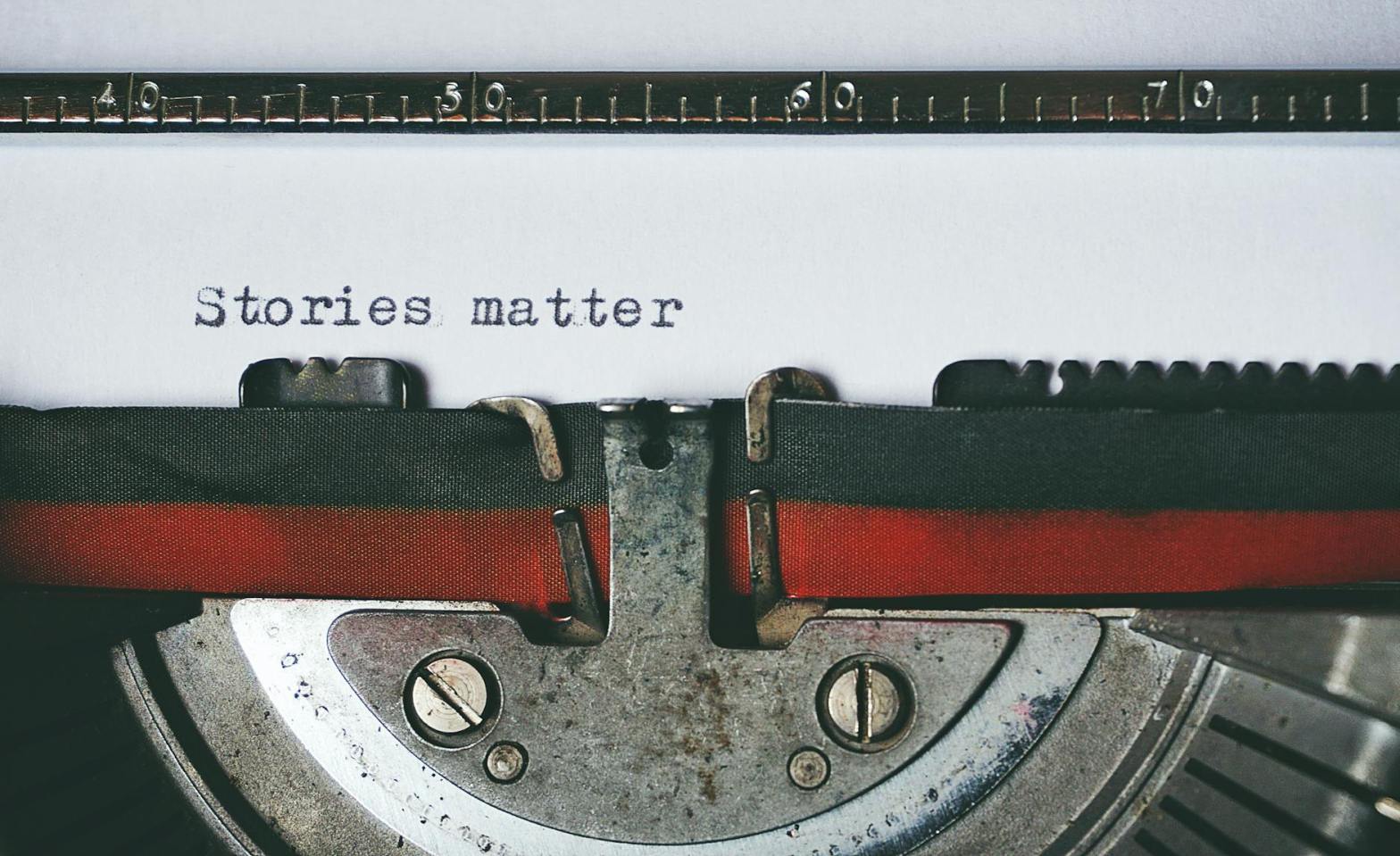
All Writers Need to Believe in Stories

“We have to believe in our work; the only thing that lightens the burden of it, sometimes, is the sense that it matters, and that we’ve committed ourselves to something valuable.”

– from “Writing Fantasy Realistically” by Philip Pullman

New writers are encouraged to read, and so read I did – about the evils of misrepresentation, the cleverness of subverted tropes, the laughable Mary Sue phenomenon, fantasy clichés, fantasy subgenres, new books, classic books, books that I could have written better, books that put my prose to shame, books that irritated me for reasons I could not identify…

I didn’t want to write an irritating book. No, my book had to be aligned with values like acceptance, justice, and interdependence. Crafting a story to meet these standards has not been easy work. But the thing that stopped me from writing the NIP (novel in progress) altogether came in late 2021: I lost my belief in stories.

The publishing industry is a business first and foremost. It wants books that can be marketed to a wide audience. My interests usually stray away from the mainstream, and I’ve always worried that my NIP will be a hard sell as a result. Are my neurodivergent characters relatable? Have I omitted too many fantasy tropes? I’m a very analytical person, which also means I’m good at worrying. In case you couldn’t tell.

Along with fussing over the NIP, I have plenty of other things to worry about. Any day of the week, I can scan the news and read about war crimes, forced sterilization, hunger, rising costs of living, wildfires…

I do not have the money or influence to mobilise change. The most effective thing I can do is hit the retweet and share buttons. Aid is needed now, systemic change needs to begin now, but novels cannot be written and published in a weekend. Fiction does not feed anyone.

But I do have a book, borrowed from the library, whose author has been writing fiction much longer than I have.

I read Philip Pullman’s books when I was a teenager, but his tone always felt a little didactic and his style too separate from mine to enchant me like some other writers did. Still, I admired his intellect, so last month I dipped into his nonfiction volume Daemon Voices.

The essay titled “Writing Fantasy Realistically” drew my eye despite the fact that I’d avoided my own fantasy novel for seven months. Perhaps I wanted a reminder of what being a writer felt like, or a jumpstart for my work. I got both: Pullman describes the embarrassment and confusion he felt when his mind began insisting that he write the fantasy story that would become His Dark Materials.

The series is now considered a classic of the genre, but in its early stages, Pullman resisted it because he associated fantasy with the sort of story that prized adventure over moral nuance and subtlety of character. At the same time, however, he harboured another belief that allowed him to set his doubts aside.

Pullman writes,

“…if I know anything about writing stories, it’s this: that you have to do what your imagination wants, not what your fastidious literary taste is inclined towards, not what your finely honed judgement feels comfortable with, not what your desire for the esteem of critics advises you to. Good intentions never wrote a story worth reading: only the imagination can do that.”

I myself have been so tangled in intentions for the NIP that my imagination dwindled, and with it my enthusiasm for writing. After reading Pullman’s essay, I could finally allow myself to be a writer again and approach the NIP. I reread the last two chapters I had written in 2021, and somewhat to my surprise, I enjoyed them. The prose carried me through the rising suspense of the narrative while simultaneously filling me with the deep satisfaction of discovery and innovation I had felt when I wrote it.

I had delighted in creating this part of the story. Now I had the delight of reading it too – and a desire to read more. It looks like I’ll have to finish it after all.

However, while imagination remains the driving force behind my decision to keep writing, I’m not sure how to sustain my determination to finish the NIP. I’d like to open the discussion now and ask you, my readers, why you value fiction. Any tips you have on staying committed to a long, arduous project would be helpful too.

What are your thoughts?

Quotations from “Writing Fantasy Realistically,” featured in Daemon Voices by Philip Pullman. 2017, David Fickling Books.

Leaving the Novel in Progress (Part 2)

A follow up to my last post.

Yes, it’s been a while. Forgive the delay – I had a strange work schedule and several class projects to juggle.

Anyhow, back to the matter at hand, which can be summed up like this: “I’m writing a book, but I don’t know what it’s about.”

I can tell you the neurotypes of my protagonists (autistic and ADHD), the genre (fantasy), and the quest my heroes are pursuing (saving the source of magic from destruction). But I can’t articulate how it all happens, because the scenes in my mind are disconnected, devitalized. After fourteen years, I’ve finally accepted that the NIP isn’t worth all the trouble it gives me. All the stress, the research, the irritation of uncertainty. Why should I assume that years of hard work will be awarded with publication and good reviews?

I want good reviews very badly – more than I want publication. I want to know that my characters are diverse enough, and my worldbuilding original enough. I want people to reassure me that my protagonist is a worthy contribution to the cannon of realistic autistic characters (because there are far too many that aren’t).

And as soon as I realise this about myself, I see a pattern: my NIP and my self-knowledge growing side by side. They’re so tangled together that I’ve lost the feeling of adventure and empowerment that writing used to bring me. Now, my fiction feels like a way to prove myself, and that isn’t healthy. The relationship must either change or end.

For now, I’ve chosen to let it end.

Earlier this year I also realised that I was stuck in a depressive episode (a recurring problem since my teens). It has taken me five months for thoughts of continuing the NIP to bring me any pleasure. But the panic and resentment are still there too, so I’m not eager to try my luck. Maybe I’ll glance at my manuscript next week, just to read it, and maybe I won’t. My health is more important than scrambling after an old dream.

Now in my late twenties, I’ve finally grown up enough that my sense of self isn’t defined by this one passion project. My job as an tour guide has given me friendships, an understanding of the natural world, and a sense of responsibility for the place I live and the people I share it with. I have more than one passion now, and I feel balanced this way.

The NIP is still in my future, out in the distance. In the foreground are my studies: becoming an ESL teacher and a better, healthier person in general. I want to help destigmatize autism, and to do right by other marginalized communities as well. Cut adrift from the NIP, I’ve rooted my new concerns in this non-fictional world.

So although I can’t commit to posting regularly, I would like to expand the focus of this website. I’ve listed some of my ideas below – let me know what interests you, and I’ll do my best to write about it over the next few months.